
Denver’s fourth quarter brings shorter days, colder weather, and a smaller pool of home buyers who are actively searching. For sellers listing between October and December, professional home staging can be the difference between a property that lingers and one that sells competitively. Here’s what Denver homeowners and Realtors need to know about staging a house for sale this fall and winter.
Key Takeaways
- Staged homes sell 75% faster than non-staged homes and spend 73% less time on the market, making staging especially powerful during Denver’s slower Q4 season when every showing counts.
- Professional home staging helps a property feel brighter, warmer, and more move-in ready by creating an inviting space through layered lighting, neutral colors, and strategic furniture placement that highlights architectural features and minimizes flaws.
- Both vacant and occupied homes benefit from a tailored staging plan that addresses Q4 realities like limited natural light, winter weather at the front door, and the need for clean curb appeal.
- Home Harmony Denver is a local home staging company that specializes in preparing staged homes for Q4 listings across the Denver metro and nearby foothill communities.
- Contact Home Harmony Denver before scheduling listing photos so your staged house makes the strongest first impression on potential buyers.
Why Selling a Home in Denver During Q4 Is Different
Q4 in Denver means early sunsets after daylight saving time, first snowfalls as early as October, and holiday schedules that pull attention away from house hunting. Casual showings drop. But the buyers who do show up during this window are often driven by job relocations, lease expirations, or life events-and they’re ready to write strong offers when a property feels move-in ready.
Inventory also shifts. According to DMAR market data, new listings fell roughly 41% from October to November in recent years, and active inventory dropped nearly 16%. That means fewer competing listings in neighborhoods like Highlands, Washington Park, and Central Park-but it also means your home stand needs to be exceptional to capture the attention of more buyers. Presentation becomes the key differentiator, not just price.
With low-angle winter sun and overcast skies, listing photos and in-person showings depend heavily on staging, lighting, and clean sightlines to maximize limited daylight.
Why Staged Homes Stand Out in Denver’s Fourth Quarter Market
Most buyers first encounter homes through online listings, making staging crucial for that initial impression. When Colorado home buyers are browsing Zillow or Redfin from warm living rooms instead of driving to every showing, your listing photos need to stop the scroll.
Home staging helps create a cohesive visual story. A staged house uses furniture, rugs, and art to frame fireplaces, mountain views, and open-concept living areas-features Colorado buyers prioritize during colder months. Staging supports professional photography and video tours: neutral palettes, decluttered counters, and intentional styling reduce visual noise. Professional photos of staged homes boost online appeal and traffic significantly.
According to National Association of Realtors research, 83% of buyer’s agents say staging helps clients visualize a property as their future home. That emotional connection translates directly into offers. Staged homes often receive stronger offers due to perceived readiness, and well-staged homes can result in fewer price reductions during negotiations. In fact, staged homes sold for an average of $40,000 over the list price in 2021, and 83% of staged properties sell for the asking price or above.
Effective staging can trigger emotional connections for buyers, influencing offers-whether the market is hot or cooling. Staging speaks to comfort, lifestyle, and ease while buyers compare multiple properties across greater Denver.
How to Stage a Denver Home for Fall and Winter Buyers
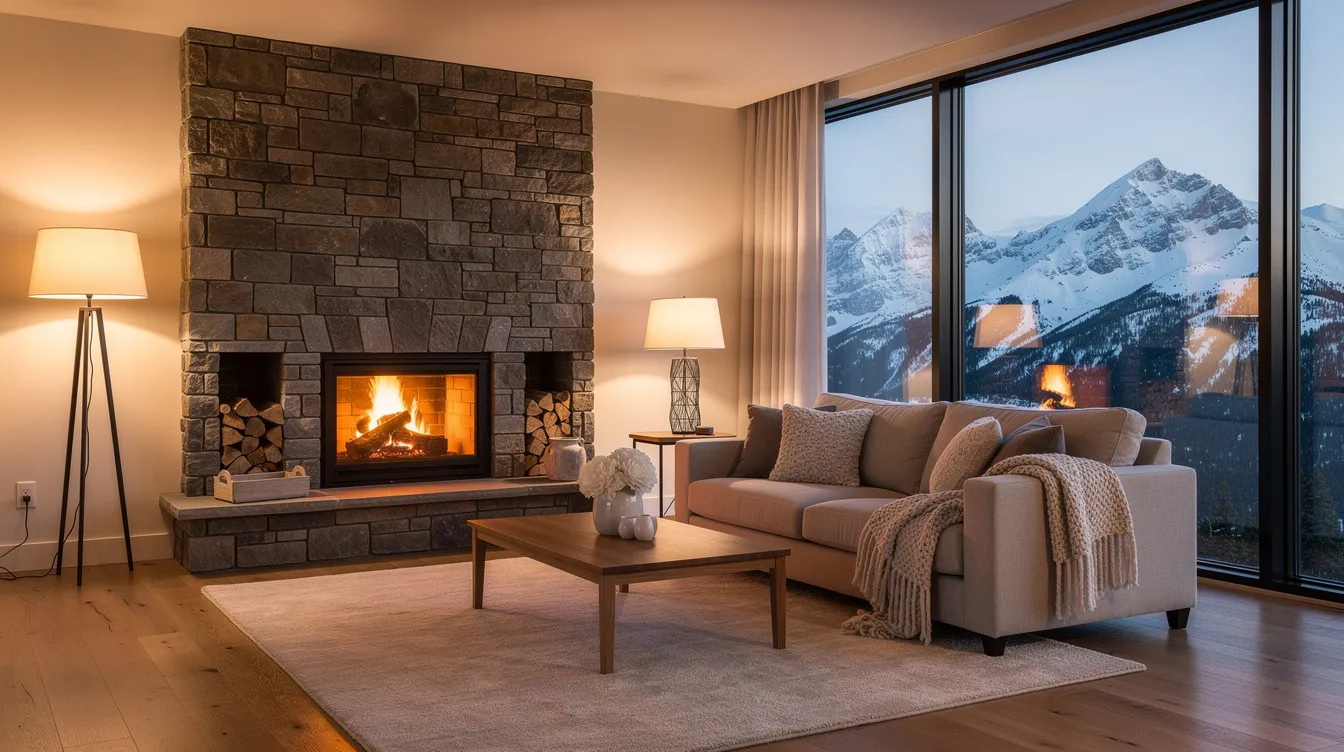
Q4 home staging in Denver should feel warm and welcoming without turning the property into a holiday showroom. Think subtle seasonal touches-a fall wreath on the front door, a bowl of pinecones on the dining table-rather than bold themed decorating. Avoid personalized holiday collections and family photos that make it harder for buyers to imagine themselves in the space.
Home staging is distinct from interior design, focusing on potential buyers’ needs rather than the seller’s taste. Here’s where to focus:
- Lighting: Use layered lighting-overhead, floor lamps, and table lamps in the 2700–3000K range-to combat darker afternoons. Prioritize the living room, primary bedroom, and kitchen.
- Color palette: Stick to soft whites, warm grays, and greige. Using a neutral color palette can appeal to a broader demographic of buyers. Consider a fresh coat of paint on scuffed walls.
- Textures: Layer chunky knit throws, faux fur pillows, and wool rugs to create an inviting atmosphere without clutter.
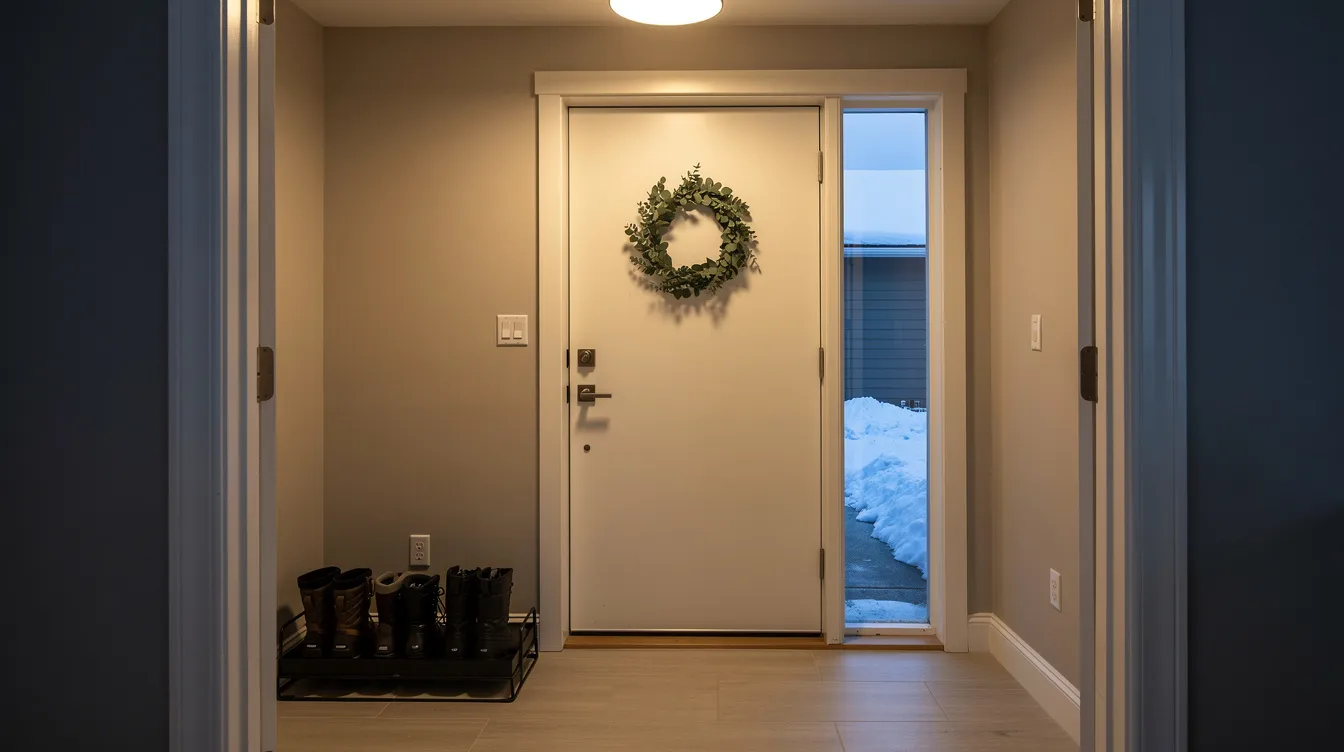
- Practical touches: Place boot trays and hooks near the entry, use durable indoor-outdoor rugs at doors, and keep shoveled paths clear to the porch.
- Natural light: Keep window treatments simple, trim shrubs blocking windows, and clean glass to maximize low-angle winter sun.
Effective staging includes decluttering and depersonalizing the space. Decluttering helps spaces feel open and allows for clearer purpose definition. Removing unnecessary furniture makes rooms feel larger and more functional, and staging helps define awkward or unclear spaces so buyers immediately understand each room’s purpose. Curb appeal significantly influences a buyer’s first impression, so keep walkways safe and exterior lighting operational for evening showings.
Vacant vs. Occupied Home Staging in Q4
Denver sellers in Q4 typically face two scenarios, and each benefits from a different approach. Staging a home prepares and styles it to appeal to potential buyers regardless of whether the property is empty or lived-in.
Vacant staging uses rented furniture to showcase empty homes. Without furnishings, rooms look colder, smaller, and echoey-especially in winter. Renting furniture and adding area rugs, art, and lighting gives buyers a sense of proportion and comfort. Vacant condos, townhomes, and new builds around downtown Denver, RiNo, or DTC especially benefit from staging key spaces. Partial staging focuses on key areas like living rooms and kitchens, where the impact is greatest. Professional stagers enhance homes to appeal to a wide range of buyers, not just one demographic.
Occupied staging involves using the homeowner’s existing furniture. A home stager helps homeowners edit existing furnishings, remove excess pieces, and layer in updated accessories. Rearranging furniture to improve traffic flow and sightlines can transform a cluttered room into an inviting space.
Practical Q4 tips for occupied homes:
- Designate a single, tidy drop zone for coats and shoes
- Keep holiday decor minimal and cohesive
- Maintain clean windows and open blinds for every showing
Virtual staging is a cost-effective alternative to traditional staging-some companies charge $29 per photo-though it works best when paired with at least a consultation for in-person showings. Both vacant and occupied approaches should prioritize safe, well-lit entries for evening showings on icy days.
Should You Wait Until Spring to Sell Your Denver Home?
There’s no universal answer, but sellers can succeed in Q4 if pricing and presentation are aligned with current Denver market conditions. Staging can enhance a home’s perceived value and market readiness regardless of the calendar.
Q4 advantages:
- Fewer competing listings in many neighborhoods
- More serious buyers driven by deadlines
- Your staged property can attract potential buyers more easily when inventory is lean
Spring tradeoffs:
- More daylight and foot traffic in March through May
- Significantly more competing listings, which increases pricing pressure
- Top-tier staging becomes even more critical to stand out
Home staging can help achieve higher sale prices in any season. Homes that were staged sold roughly 4 times faster than unstaged properties, and staged homes sell for an average of 20% more. Whether listing in November or April, preparing a well staged home with decluttering, neutral updates, and professional styling positions a property to help it sell home quickly and competitively. Consult your real estate agent for hyper-local data and use staging as a lever you can control.
How Home Harmony Denver Supports Q4 Sellers
Home Harmony Denver is a local staging company focused on helping home sellers and Realtors throughout the Denver metro-Lakewood, Littleton, Aurora, Arvada, and Boulder-adjacent suburbs-prepare properties for the market. The company specializes in creating presentations that attract potential buyers and maximize sale price regardless of season.
Three core services include:
- Vacant staging: Curated furnishings and decor brought into empty properties
- Occupied staging: Strategic additions layered with existing furniture
- Pre-listing consultations: Room-by-room recommendations homeowners can implement themselves
Staging costs can range from $500 to $5,000 on average, and homeowners typically pay $650 to $2,300 depending on property size and scope. Monthly staging fees can vary from $500 to $2,000 for extended listings. Some real estate professionals opt for a flat fee arrangement. For context, luxury staging through firms like Meridith Baer Home-based in San Francisco-can run $15,000 to $20,000 per staging for high end properties, and homes staged by Meridith Baer Home sell for up to seven figures above listing price. Luxury homes and luxury staging have their own scale, but the principle holds across every price tier: staging is a worthwhile investment that delivers money back at closing.
Home Harmony Denver coordinates with real estate photographers so your home is fully staged before listing photos and 3D tours are created. Whether you’re selling an urban condo, a suburban family home, or an investor flip, the team tailors staging plans to Q4 realities-warm palettes, layered lighting, and practical solutions for snow and mud at entries. The business serves customers across the metro with additional services designed to help each property earn top dollar.
Ready to prepare your Q4 listing? Contact Home Harmony Denver to schedule a consultation before your listing goes live.
Frequently Asked Questions About Q4 Home Staging in Denver
Is Q4 a good time to sell a home in Denver?
Yes-while spring is traditionally busier, many Denver sellers succeed in Q4 due to lower competition and motivated buyers. Inventory often drops 25–30% by December, meaning a well-staged property in a desirable location can command attention. Hiring a home staging company helps your stage property stand out among the remaining listings and appeal to serious home buyers.
Is home staging worth it during the winter months?
Absolutely. Buyers pay closer attention to interiors and photos when it’s cold outside, making staging especially valuable for creating warm, inviting spaces. Staged homes sell faster-75% faster than non-staged homes by some industry measures-and staged homes spent 73% less time on the market. The impression your listing makes online determines whether buyers schedule showings, and staging directly supports that.
Should I decorate my staged house for the holidays?
Keep decor minimal, neutral, and non-denominational. Think simple greenery, white lights, and one tasteful wreath-nothing that distracts from the home itself. Avoid items tied to specific traditions so every potential buyer can imagine the space as their future home. The focus should remain on the property, not on personal decorating choices.
How do you stage a vacant house during colder months?
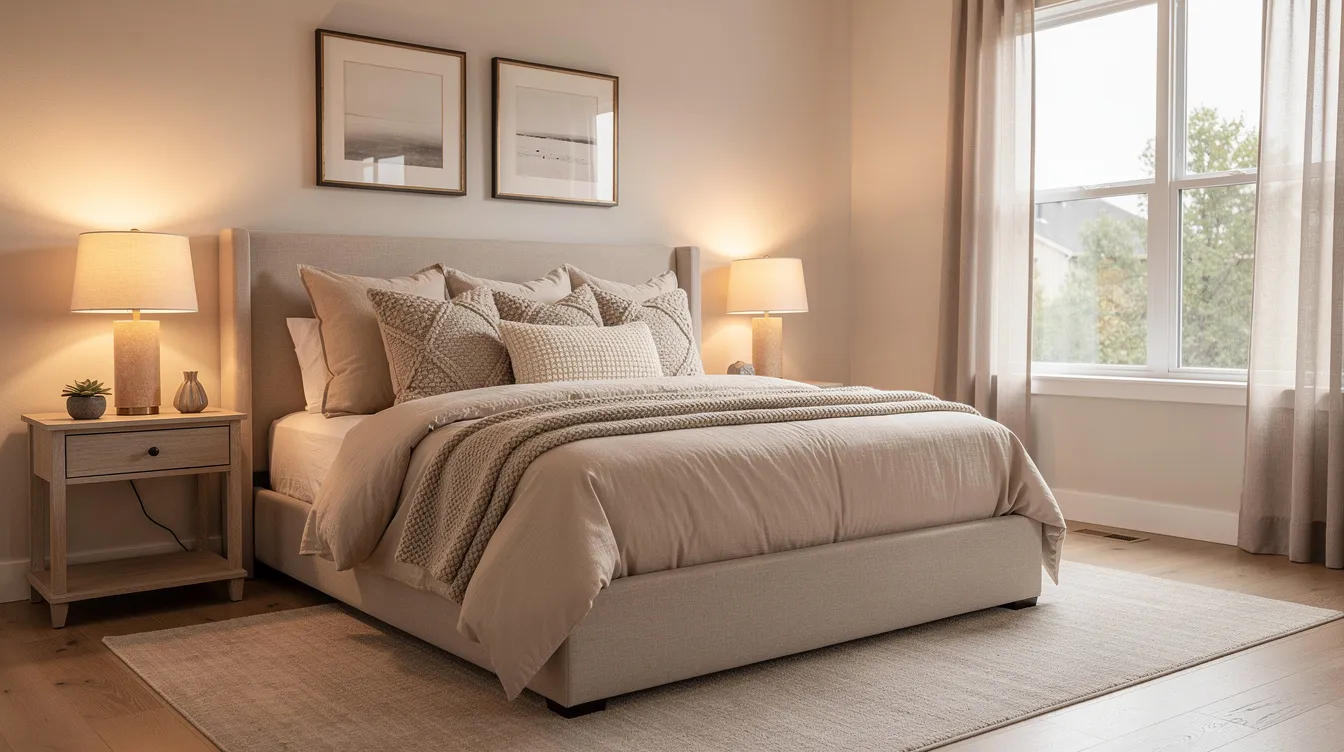
A home stager brings in comfortable seating, layered textiles, warm-toned art, and strategic lighting so rooms feel livable and cozy rather than empty and cold. Clear walkways accommodate winter boots and coats. Staging allows potential buyers to visualize themselves living in the space, which is especially important when an empty house offers no visual reference for scale or function. Homes staged before listing sell roughly 4 times faster.
When should I schedule staging relative to photos and showings?
Contact a staging company 2–4 weeks before going live. Your home should be fully staged and photographed in its best light before the listing hits the MLS. Staged homes sell-and the sale starts with those first listing photos. Maintain showing-ready condition throughout the Q4 listing period for a complete, polished presentation.
Conclusion and Next Steps
Even in Denver’s Q4, buyers still respond most strongly to homes that feel bright, warm, and move-in ready. Staging is one of the most effective ways to create that impression-whether your home is vacant or occupied, whether you’re selling in Arvada or Washington Park.
A thoughtful staging plan helps your property photograph beautifully, show better online, and appeal to more buyers during shorter, colder days. If you’re selling a house in Denver this fall or winter, schedule a consultation with Home Harmony Denver before booking listing photos or going live on the MLS. Call, email, or fill out the contact form-the team is ready to help homeowners and Realtors prepare properties that sell competitively, no matter the season.