
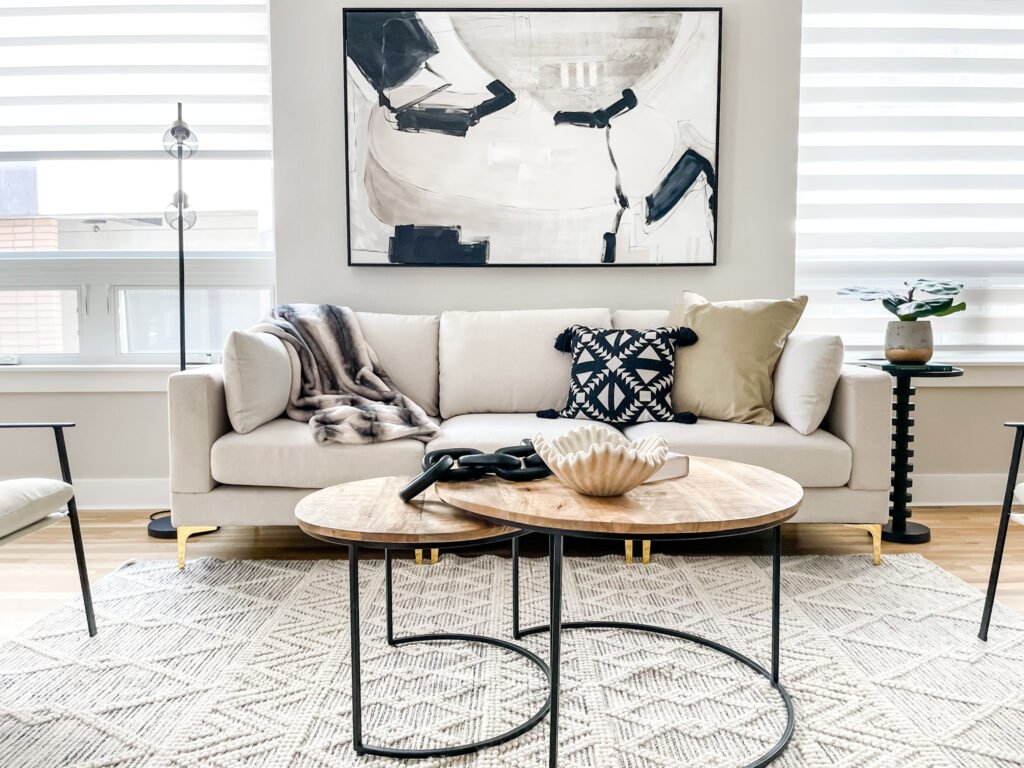
Home Staging in Denver: A Complete Guide by Home Harmony Denver
Selling a home in Denver today requires more than just listing it on the MLS and hoping for the best. Professional home staging has become a decisive factor in how quickly a property sells, what price it commands, and how many offers land on the table. This guide breaks down everything Denver sellers and real estate agents need to know about working with a professional staging company – from costs and ROI to room-by-room priorities and choosing the right partner.
Key Takeaways
Professional home staging in Denver helps listings sell faster and for more money, especially in competitive neighborhoods like Wash Park, Highlands, and Cherry Creek. In a market where buyers scroll through dozens of listings before scheduling a single showing, the quality of your interior presentation can make or break interest. Staged homes sell roughly four times faster than unstaged properties, and 82% of buyers’ agents say staging helps buyers visualize a home as their future home.
This guide is non-DIY. It’s written for sellers and real estate agents who plan to hire professional home staging services rather than tackle the work alone. You won’t find instructions on painting your own accent wall or arranging throw pillows from a big-box store. Instead, you’ll learn how to evaluate, hire, and collaborate with a professional home stager so your listing gets the strongest possible start.
Here’s what we’ll cover:
- Why staged homes in the Denver metro typically spend fewer days on market and attract multiple offers at or above list price
- Realistic home staging cost ranges for vacant homes and occupied homes
- Return on investment backed by local and national data
- Priority rooms where professional effort pays off most – living room, dining room, and primary suite
- How to choose the right home stager and what to expect from the process
- How Home Harmony Denver delivers full service staging for vacant properties, occupied homes, and pre-listing consultations across the metro area
What Is Home Staging (and How It Works in Denver’s Market)?
Home staging is the practice of cleaning, styling, and furnishing a property to appeal to buyers – but it’s far more strategic than decorating. A professional stager combines real estate market knowledge, space planning, and visual styling to make a house feel bright, spacious, and move in ready for the widest possible pool of prospective buyers.
In Denver’s 2024–2026 market, buyer expectations include:
- Open floor plans with clear traffic flow
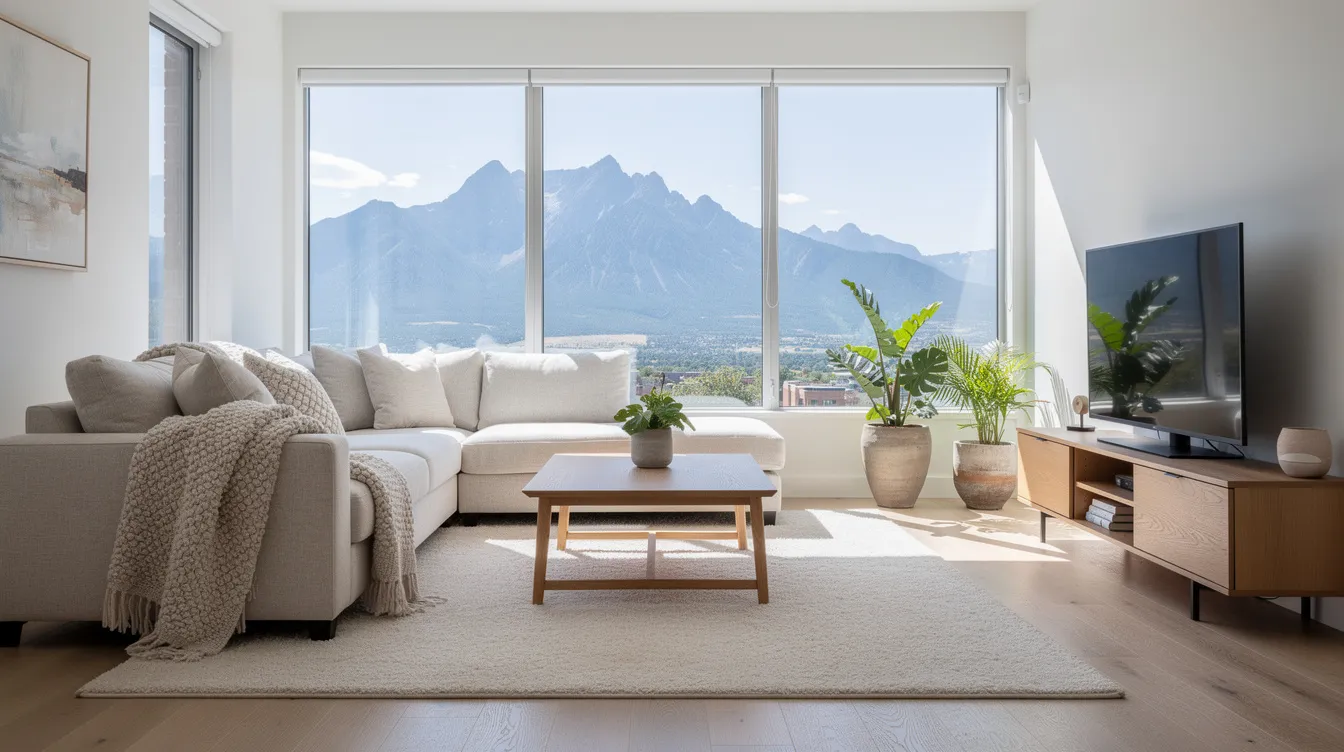
- Strong natural light and large, unobstructed windows
- Flexible work-from-home spaces (a must since remote and hybrid work became standard)
- Low-maintenance finishes – quartz counters, durable flooring, updated fixtures
- Clean, minimal, neutral color palettes that don’t fight with a buyer’s taste
One of the biggest differences staging makes is transforming “empty” into “understood.” Without furnishings, rooms look cold in photos, feel smaller in person, and fail to communicate function or scale. A well-staged home helps potential buyers see where the sofa goes, how the dining room flows into the kitchen, and whether a spare bedroom works as an office or guest bedroom. That clarity matters enormously when 77% of buyers visualize staged properties as their future home.
Why Professional Staging Matters for a Denver Home Sale
Denver’s housing market has cooled from the bidding-war frenzy of 2021–2022. Inventory has grown, buyers are more selective, and homes are staying active on the MLS longer than they did two years ago. In this more balanced environment, presentation is no longer optional – it’s the differentiator that determines whether a listing sells quickly or lingers.
In popular zip codes like 80202, 80209, 80210, 80211, and 80238, buyers routinely compare several homes in the same price range during a single weekend. High-quality listing photographs of staged homes attract more interest, generate more showings, and produce more buyers walking through the front door. According to a 2025 NAR report, 62% of agents say staging impacts a home’s time on the market, and 49% reported that staging helps reduce days on market specifically.
Seventy-one percent of buyers prefer move-in-ready homes. A polished, well-staged property lowers perceived risk – particularly for buyers using conventional, FHA, or VA financing who are wary of repair surprises after inspection. And Denver’s seasonal weather – snow, hail, late-summer wildfire smoke – makes controlled, well-lit interiors a major selling point during showings and open house events, when exterior conditions may be less than ideal.
Vacant vs. Occupied Homes: Different Denver Staging Strategies
Home Harmony Denver tailors staging strategies based on whether a property is vacant or occupied. The investment, timeline, and techniques differ significantly, so understanding which approach fits your situation is the first step toward successfully selling.
Staging Vacant Homes in Denver
Empty rooms in new townhomes at Central Park or condos near Sloan’s Lake can look smaller and colder in photos without furnishings. Vacant staging adds furniture to empty spaces – sofas, beds, dining sets, rugs, and accessories – designed to match the home’s price point, whether it’s a starter condo or a $1M+ custom build.
Full service staging highlights a property’s best features: mountain views framed by a reading chair, large windows emphasized by clear sight lines, exposed brick warmed by layered textiles. Vacant staging makes spaces feel less sterile and more inviting, helping potential homebuyers connect emotionally from the very first listing photo. Typical staging terms run 30–60 days, aligned with average days on market for properly priced Denver listings, with optional extensions if needed.
Staging Occupied Homes in Denver
Occupied staging edits the seller’s existing furnishings rather than replacing everything. The focus is on removing excess furniture, personal collections, and dated decor – then layering in strategic updates like neutral art, updated bedding, and modern lighting.
Many Denver homes come with familiar challenges: long-held family furniture that overwhelms a room, ski gear and mountain bikes cluttering the garage, and personal photographs covering every surface. Depersonalizing involves removing personal items – framed photos, personal photos, children’s artwork on the fridge – to enhance buyer visualization. Decluttering can make a home feel larger and more inviting, and occupied staging helps buyers envision themselves in the home rather than feeling like guests in someone else’s living space. A professional stager handles this editing process with care, often beginning with an initial consultation weeks before listing.

Exterior and Curb Appeal Staging in Denver’s Climate
Improving curb appeal enhances the first impression for potential buyers – both when they drive up and when they see the first photo in a listing. In Denver’s climate, that impression is shaped by several factors that don’t apply in milder regions.
Seasonal strategies matter:
- Winter: Snow removal, ice melt on walkways, clean paths, and bright porch lighting
- Spring/Fall: Fresh mulch, trimmed xeriscaping, potted plants or potted flowers with cold-hardy colorful flowers (even without a green thumb, a stager can source simple, low-maintenance options)
- Summer: Clear dead leaves from beds, stow garden tools and cleaning supplies, and power washing walkways and siding
Denver’s high altitude and intense UV exposure cause sun-faded paint and hail-damaged trim faster than in lower-elevation cities. Even minor touch-ups – a freshly painted front door, updated hardware, visible house numbers, and a clean welcome mat – signal care and maintenance. Professional exterior staging coordinates with the home’s interior style so that when a buyer crosses the threshold, the entire house delivers a consistent, move in ready experience.
Core Benefits: How Staging Boosts ROI and Days on Market
For most Denver sellers, staging is an investment expected to return several times its cost at closing. The data supports this consistently. Staged homes sell roughly four times faster than unstaged properties. Using professional staging can improve perceived value and appeal, leading to stronger offers and fewer price reductions.
A local case study illustrates the impact: a $600,000 Denver home sat 47 days unstaged and sold 2.5% below list. After staging (roughly $3,500 invested), a comparable property sold in 12 days at about 1.3% above asking – netting the seller approximately $19,500 more, an implied ROI of roughly 557%.
Staging also reduces holding costs. Every extra week on market means another mortgage payment, HOA dues, utilities, and property taxes. And 77% of buyers visualize staged homes as future homes, which translates to faster emotional commitment and stronger offers. Staging can increase home value offers by 1% to 10%, a range confirmed by both national association surveys and Denver-area agents. For homes that have already sat on the market, re-listing with new photography and staging can reset buyer interest entirely.
Types of Professional Home Staging Services in Denver
Home Harmony Denver offers several service tiers, each designed for different budgets, property conditions, and timelines. This is a non-DIY guide – every service described below is executed by a professional home stager, not by the homeowner.
The primary categories: Pre-Listing Consultation, Occupied Home Staging, Vacant / Full Service Staging, and Open House & Photo-Day Styling. Sellers and agents can mix staging services depending on budget, property condition, and how many days remain before listing.
Pre-Listing Consultation
A typical consultation runs 60–120 minutes. The professional stager walks every space – living room, dining room, kitchen, bedrooms, baths, basement, and exterior – and produces a prioritized action plan. Recommendations cover paint colors, small repairs, flooring, lighting updates, and what everyday items to remove or store. Deep cleaning surfaces is crucial for home staging success, and the consultation identifies exactly where that effort should concentrate. Denver agents often schedule consultations 4–6 weeks before their target list date to allow time for handyman work.
Occupied Home Staging Services
A typical occupied staging day includes final furniture placement, rearranging furniture for better flow, art and mirror hanging, styling beds and baths, and kitchen surface presentation. Home Harmony Denver can supply supplemental pieces – updated barstools, nightstands, lamps, or neutral area rugs – where the seller’s own homes’ furnishings need reinforcement. This service works especially well in family neighborhoods like Central Park, Littleton, and Arvada, and is often more budget-friendly than furnishing an entire house from scratch.
Vacant / Full Service Staging
Full service staging furnishes and styles every key space in a vacant home: entry, living room, dining room, kitchen, primary suite, and select secondary rooms. Home Harmony Denver brings in sofas, accent chairs, coffee tables, beds, dining tables, art, lighting, and accessories appropriate to the price range. Renting furniture through a professional staging company ensures pieces are current, properly scaled, and styled cohesively. Coverage options range from main living areas and the master bedroom as a baseline, with add-ons for office, basement, or outdoor furniture zones.
Open House & Photo-Day Styling
Some Denver agents book professional photo-day styling to ensure every room is showroom-ready for a professional photographer and the first weekend open house. Last-minute warm touches include fresh flowers on a console, layered bedding, styled coffee tables with a few books, and simple dining table settings. This service may be paired with light refreshes before major broker tours or after a price adjustment to recapture attention.
Room-by-Room Staging Priorities: Where Professional Effort Pays Off Most
Not every square foot demands the same level of investment. Good staging draws attention to the home’s best features like natural light and spacious rooms, and professional stagers concentrate budget on the spaces Denver buyers value most. Staging helps define the purpose of each room in a home, eliminating ambiguity that can stall decision-making.
Living Room and Great Room
The main living area sets the emotional tone. Stagers design this space to feel bright, open, and welcoming, especially in homes with open-concept layouts. Furniture is scaled to the room – no oversized sectionals blocking traffic flow or views to fireplaces and mountain vistas. Rugs, art, and lighting visually anchor conversation areas while preserving wide pathways. In Denver condos and rowhomes where the living room shares space with an entry or dining nook, less clutter and careful furniture placement create the illusion of generous square footage.
Dining Room and Eating Areas
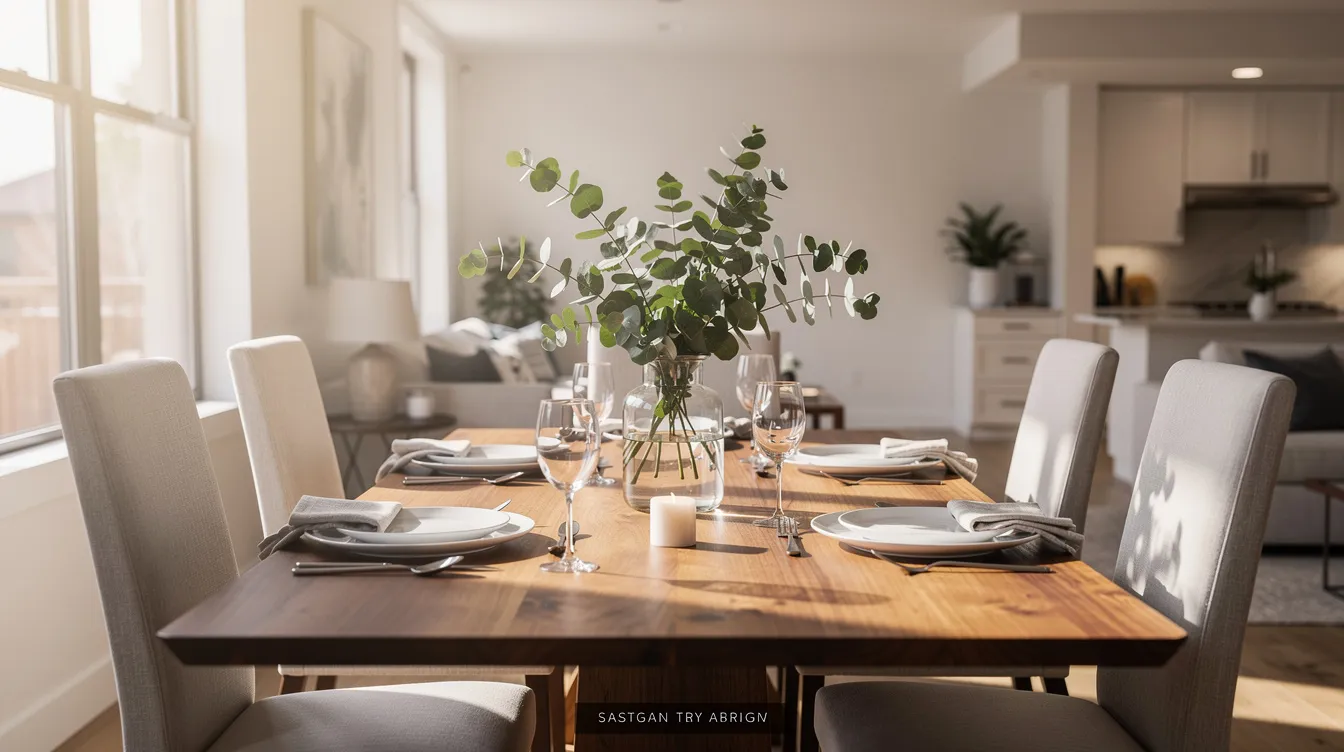
Whether you have a formal dining room, a breakfast nook, or island seating, the goal is to show where a buyer will dine daily and entertain guests. The stager selects a table scaled to the room, a modest centerpiece, and chairs that reinforce comfortable circulation. In higher-end homes, a fully set table adds aspirational polish; in smaller spaces, a simpler, more casual look avoids overcrowding. Dining room staging coordinates directly with kitchen and living area styling for a cohesive, move in ready feel.
Kitchens and Bathrooms
Denver buyers expect clean, uncluttered, and updated kitchens and baths – even in charming older homes from the 1920s–1960s. Stagers showcase hard surfaces by keeping counters visually light and adding just a few high-impact accessories: a cutting board, a cookbook, a small potted plant. A professional stager may recommend quick updates like new cabinet hardware, a modern light fixture, or a different faucet finish. Staging supports photography by maintaining clear sight lines to stainless appliances, island seating, and attractive vanities.
Bedrooms, Home Offices, and Flex Spaces
The master bedroom and en-suite bath are styled as a calm retreat with layered bedding, side tables, and soft lighting. Defining at least one functional work-from-home space is essential, given how many Denver buyers work remotely. Secondary bedrooms may be staged as a guest bedroom, nursery, or child’s room depending on likely buyer demographics. Basements and lofts receive a clear purpose – media room, gym, or playroom – so buyers see every square foot as useful living space.
Lighting, Color, and Natural Light in Mile-High Homes
Denver’s strong natural light and high-altitude sun amplify both good and bad design choices. Maximizing light can make rooms feel larger and more inviting, and stagers achieve this by choosing lighter window treatments, positioning furniture away from windows, and keeping sight lines clear.
Neutral colors create an appealing backdrop for potential buyers – warm whites, soft greiges, and light taupes that photograph well and don’t compete with existing finishes. Additional lamps and updated light fixtures brighten basements, north-facing rooms, and townhomes with limited windows. The goal is a consistent, move in ready backdrop that works for many decor styles, not a bold, highly personalized color story that narrows the buyer pool.
Home Staging Costs in Denver: What to Expect
Exact pricing depends on several factors: square footage, location, service level, and whether the home is vacant or occupied. Here are realistic Denver ranges:
| Service Level | Typical Denver Cost Range |
|---|---|
| Pre-listing consultation | $300–$600 |
| Occupied staging (key rooms) | $1,800–$3,500 |
| Vacant full service staging | $3,000–$10,000+ |
| Monthly furniture rental (vacant) | $750–$2,000+ |
| Stager hourly rate | $120–$130/hour |
The median cost of home staging nationally sits around $675, but Denver’s market – with higher price points and logistics considerations – typically lands higher. Average home staging costs range from $741 to $2,669 for most properties, though luxury homes or large square footage can push full-service staging up to $10,000 or more.
Home staging cost drivers include luxury inventory requirements, steep stairs or difficult access (common in Denver’s older neighborhoods), rush timelines before an open house, and the number of rooms staged. As a rule of thumb, staging typically costs 1% to 3% of the home’s listing price – a small investment relative to the dollar value it can add at closing. Many sellers find that spending a few hours with a stager on a consultation alone saves them from costly missteps.
Return on Investment: Is Staging Worth It in Denver Right Now?
Denver’s current real estate market rewards preparation. With inventory rising and buyers becoming more selective, the homes that attract more buyers and sell at strong prices are the ones that show well from day one. Staging can increase home value offers by 1% to 10%, and in a market where every percentage point matters, that translates directly to more money in the seller’s pocket.
Staging helps maintain list price, reduce the need for concessions, and support stronger appraisal outcomes. The intangible returns are just as valuable: less stress from showings dragging on, fewer negotiations over cosmetic issues, and a smoother move-out timeline. Experienced buyers agents across Denver increasingly expect professional staging on listings above certain price points – and when a home is staged, it signals confidence in the property that makes negotiations cleaner for everyone.
Choosing a Professional Home Stager in Denver
Evaluate stagers as strategic partners, not furniture delivery services. Here’s what to look for:
- Portfolio and local experience: Before/after photos in neighborhoods similar to yours – Wash Park, Park Hill, Highlands, Lakewood, Aurora, Westminster – at comparable price ranges
- Service range: Does the staging company offer consultations, occupied staging, vacant staging, and photo-day styling? Can they scale up or down based on budget?
- Inventory quality: Is the furniture current, neutral, and appropriately scaled? Does the stager own their inventory or lease it?
- Logistics: Installation timing, rental duration, insurance coverage, access for condos and gated communities, and de-staging after the home sale
- Communication: Will the stager coordinate with your agent’s marketing plan and provide staging tips aligned with listing strategy?
If you’re preparing a home for the Denver market, contact Home Harmony Denver directly for a customized staging plan aligned with your price point and timeline.
Working With Home Harmony Denver: Our Process
Home Harmony Denver is a dedicated, local professional staging company serving homeowners and real estate agents across the Denver metro. Here’s what a typical engagement looks like:
- Inquiry and discovery call – We learn about your property, timeline, and goals
- On-site or virtual walk-through – A detailed assessment of every room and the exterior
- Detailed proposal – Scope, pricing, and recommended service level
- Scheduling – Coordinated around your listing photography and open house dates
- Staging day – Our team handles all sourcing, delivery, installation, and styling
- De-staging – Furniture and accessories are removed after closing
We coordinate with your agent’s marketing schedule so the home looks its absolute best when buyer interest peaks. Sellers don’t manage rentals, logistics, or any extra fee surprises – we handle everything so you can focus on your next move. Our focus is clear communication, predictable timelines, and measurable outcomes like reduced days on market that make the entire home sale smoother.
FAQ: Professional Home Staging in Denver
How far in advance should I schedule home staging before listing?
Contact a stager 4–8 weeks before your ideal list date. That window allows time for the initial consultation, minor repairs, and scheduling the staging installation. In fast-moving situations – job relocations, quick flips – Home Harmony Denver may accommodate shorter timelines when inventory and schedule allow. Staging is typically installed 1–3 days before professional photography and the first open house weekend.
Can I live in my home while it is professionally staged?
Yes. Many occupied homes remain lived-in during the sale. The stager establishes a “show-ready” version of each room, and homeowners receive guidance on maintaining the staged look between showings – including what can be moved daily and what should stay in place. In households with small children or pets, more delicate accessories are minimized to keep things practical without sacrificing the home appealing quality that drives offers.
What happens to the furniture and decor after my home sells?
All rental furniture, art, and accessories provided by Home Harmony Denver remain the company’s property. Once the home is under contract and past key contingencies, the seller and stager schedule a de-staging date before closing. If a buyer loves certain pieces, they can ask the agent to inquire about purchasing specific items separately when available.
Do I still need staging in a “hot” Denver neighborhood?
Even in highly desirable areas, professional staging can help generate multiple offers quickly and push the final price higher. Staging reduces the risk of a listing being overlooked as “just another option” by making the home appealing and visually memorable. Buyers today compare homes online across the entire metro area – not just one neighborhood – raising the bar for presentation everywhere. For more tips on standing out, consider that every listing competes not just locally but across every screen a prospective buyer scrolls through.
Can you work with my real estate agent’s marketing plan?
Home Harmony Denver regularly collaborates with Denver real estate agents, teams, and brokerages on listing strategy. Staging plans are aligned with each agent’s pricing strategy, target buyer profile, and marketing schedule – including twilight photos and broker opens. Clear communication among seller, agent, and stager ensures a consistent story from listing photos to showings to closing, which is what home staging is ultimately about: making the entire house tell a compelling, cohesive story that helps it home sell at the strongest possible price.